Home Care vs Assisted Living: What Families Should Compare
Home care and assisted living differ in setting, staffing, services and how much support is available at any hour. For older adults and families reviewing living and caregiving options, the task is to identify what is known, what still needs professional confirmation, and which details would make one option more suitable than another.
This guide explains how to evaluate the key choices, document the relevant facts, and ask better questions before committing. It focuses on common U.S. consumer situations; local requirements, specific contracts and individual circumstances still matter.
The details that affect home care vs assisted living
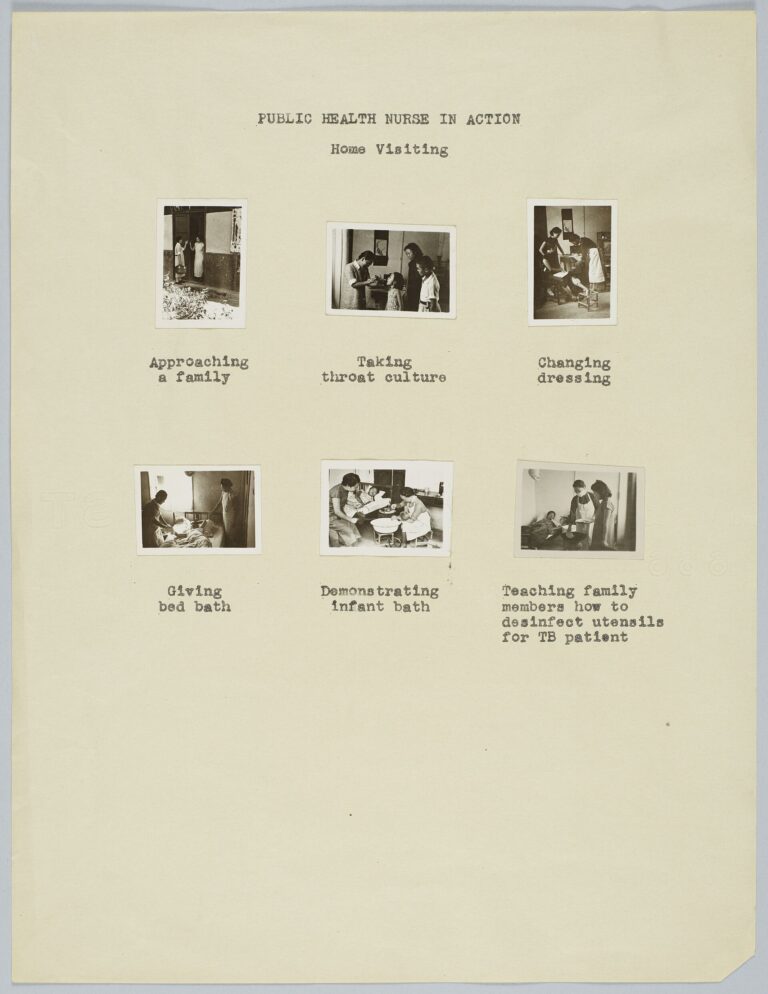
Record help needed with meals, bathing, dressing, transportation, medication management and nighttime supervision.
Service providers should explain exactly what they will and will not do, including gaps in staffing or emergencies. The aim is to create a short evidence trail that another qualified person could independently review, rather than basing a decision on memory or a single headline figure.
- Write down the facts that relate directly to home care vs assisted living and record dates or model details where relevant.
- Review home access, bathroom safety, medications, mobility and emergency contacts with appropriate professionals.
- Clarify what has been inspected or verified and what still remains an assumption.
Alternatives and meaningful tradeoffs

Compare an in-home care schedule with a facility's contract, services, staffing coverage and policies for changing care needs.
A useful comparison separates what each approach solves, what it leaves unresolved, the time or effort involved, and the conditions under which the recommendation would change. Where a provider offers only one path, request an explanation of why plausible alternatives are unsuitable.
Where tradeoffs appear
Ask for the scope in writing. Identify exclusions, dependencies, approval steps and what happens if new information appears after work begins. Plans deserve periodic reassessment because functional needs and support networks can change.
Questions to clarify before committing
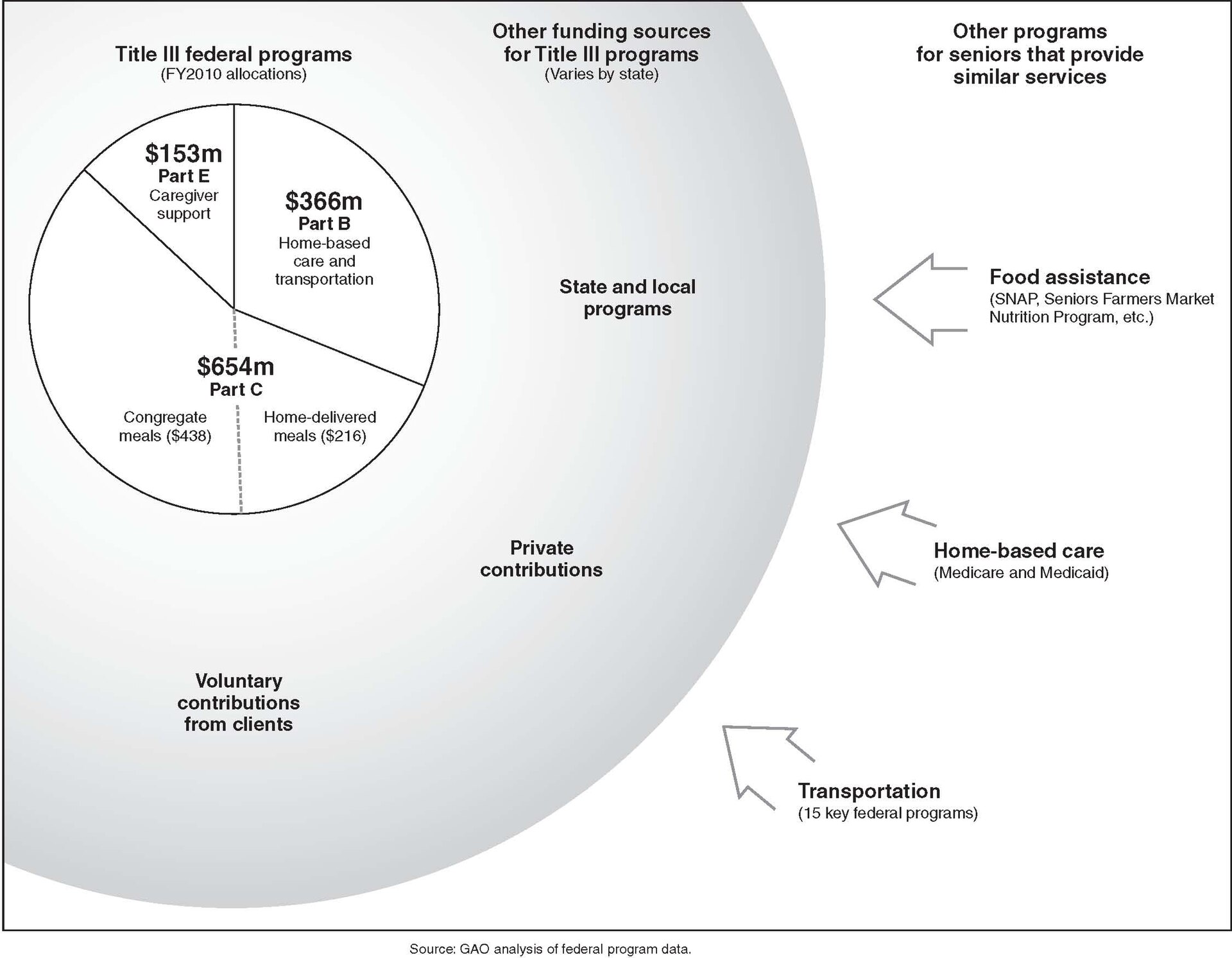
Costs depend on local markets, schedule, assistance level and care type. Separate housing, personal assistance, skilled care, transportation and one-time home modifications; confirm what a program or insurer will actually pay.
The most useful comparison is a like-for-like comparison. A lower headline charge may shift work or financial risk onto the customer, while a higher quote may contain meaningful services that the other proposal excludes. Put the assumptions side by side and ask the provider to mark any missing line items.
- What support is available at night or during a staff absence?
- How are changes in health or mobility addressed?
- What is the full monthly cost at the needed level of service?
An example worth considering

A parent needing occasional errands may prefer home-based support while frequent night assistance changes the calculation.
The important lesson is not that everyone should reach the same conclusion. It is that the decision follows documented needs, comparable proposals and a clear explanation of what success would look like. A second evaluation is especially valuable when the stakes are high, the diagnosis is uncertain or the alternatives differ substantially.
Red flags and avoidable assumptions
Comparing only the monthly rent of an assisted-living unit with a limited home-care quote ignores service differences.
Another mistake is overlooking what happens after signing or paying. Keep records of the agreed scope, future obligations, cancellation rules where applicable, and the contact to use if the result does not meet expectations. The older adult’s preferences and daily routines should remain central to the plan wherever possible.
A short checklist before moving forward
- Start with the older adult’s goals and what tasks they want to remain independent with.
- Review home access, bathroom safety, medications, mobility and emergency contacts with appropriate professionals.
- Compare total monthly fees, service scope, staffing, contracts and contingency plans—not just an advertised rate.
Frequently asked questions
Is the least expensive option always best for home care vs assisted living?
No. Compare the result being purchased, the quality of the underlying evidence, what is excluded and the practical cost if the option does not work as intended. Seek clarification when two proposals use different assumptions.
When should I ask for a second opinion about home care vs assisted living?
Consider another qualified assessment when major expense, safety, legal rights or an irreversible change is involved; when the explanation is unclear; or when estimates propose fundamentally different solutions.
Important context
Care needs and medical risks require individual assessment. Families should involve the older adult in decisions, respect consent and privacy, consult qualified clinicians for medical questions, and verify eligibility and terms before relying on insurance or Medicare coverage.
Related articles in this topic
- Choosing an In-Home Care Agency: Questions About Staffing and Safety
- Memory Changes and Home Safety: When Families Need More Support
Further reading and sources
Featured image — Photo: U.S. Government Accountability Office from Washington, DC, United States · PDM